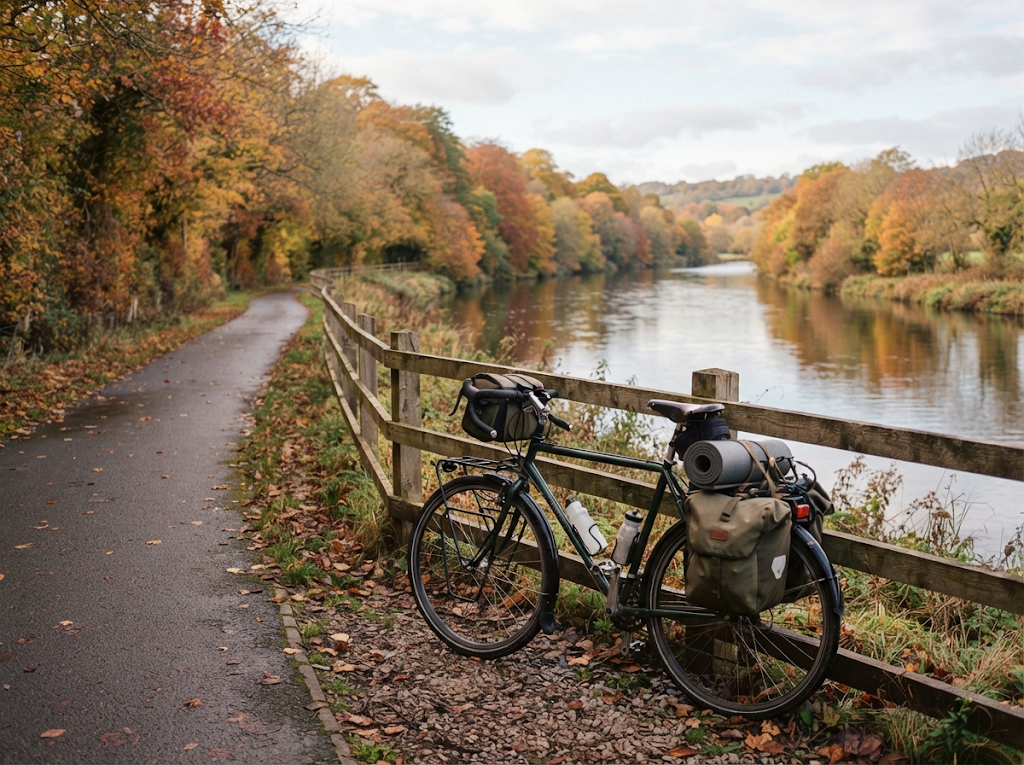
Long-distance cycling has become one of the fastest growing ways to travel in Europe. Riders follow rivers, cross borders on quiet paths and sleep in small guesthouses that serve breakfast at seven. Germany is a favourite destination, with thousands of kilometres of signed routes along the Rhine, the Danube and the Elbe. A cycling holiday sells on trust, and trust starts with a route description that tells riders exactly where the path surfaces change, where the ferry runs and where the next bakery is open. This guide explains how tourism businesses can prepare route guides and booking information for English-speaking cyclists.
What Riders Need to Know
Cyclists plan in detail. They want daily distances, climbs, surfaces, traffic levels, bike repair shops, luggage transfers and public transport options. They also ask practical questions about e-bike charging, bike storage at hotels and train rules for bicycles. Information that German operators treat as obvious, such as ferry timetables or seasonal closures, can be invisible to a visitor, so it needs a clear place on the page.
Route Descriptions That Work
Write each stage as a short story with a clear structure: start, route, highlights, difficulties and finish. Use place names consistently, and give the official German name alongside the English version if a sign on the path uses it. Avoid vague words such as nice or easy, and say instead whether the path is paved, gravel or shared with cars. The German Cycling Federation and similar organisations, for example adfc.de, publish standards for signage and route quality that can help you choose precise terms.
Maps, Distances and Units
Distances, heights and temperatures are shown in metric units in Germany, but some English-speaking guests think in miles and feet. Offer both where possible, and mark clearly which one the map uses. If you publish downloadable tracks, explain which apps and file formats are supported. A misread scale can leave a cyclist with fifteen unplanned kilometres at the end of a hot day.
Booking Terms and Cancellation
Packages for guided or self-guided tours include accommodation, luggage transfers and sometimes rental bikes. The terms must be easy to understand: what is included, what happens in bad weather, and how cancellation and refunds work. These texts have legal weight, so they should be reviewed by someone who knows both the law and the language. A german translation agency with experience in travel can adapt the terms and keep them consistent with your German originals.
Hotels, Hosts and Local Services
Small guesthouses are the heart of many routes, but their information is often only in German. Prepare a short template that hosts can use: check-in times, breakfast hours, bike storage, laundry and nearby restaurants. Help them with simple phrases for common questions. When hosts can answer in a few clear English sentences, guests feel welcome from the first minute.
Safety and Rules of the Road
Visitors may not know local traffic rules, such as priority at junctions, the use of cycle lanes and the rule that bells are mandatory on bicycles in Germany. Explain these in a friendly tone, with examples. Include emergency numbers, advice for breakdowns and information about health insurance for travellers. For general guidance on travel documents and language in Germany, read this article on German to English translation.
Equipment and Repair Vocabulary
Cyclists sometimes need help in a workshop, and a few terms make a big difference: puncture, chain, brake pads, spoke, gears and pump. Provide a small bilingual glossary in the guide, and share it with partner workshops. Rental companies should provide clear instructions on how to adjust the saddle, use the lock and return the bike.
Marketing Material and Social Media
Photos and short videos inspire travellers, but captions and descriptions decide whether they book. Write in an active, warm voice. Avoid literal translations of German slogans, which can sound formal in English. Check hashtags, since the English phrases used by cycling communities differ from German ones. Reply to comments in English promptly, because riders often compare several operators before choosing.
Seasons, Weather and Events
Explain the best months, typical weather and special events such as harvest festivals or local markets that may affect accommodation. Tell guests how to find current information about closures, and keep the text up to date. A page that says spring in the Rhine valley starts in April but nights remain cold until May gives guests a realistic plan.
Accessibility and Families
Many travellers ride with children, trailers or electric bikes. Describe which routes are flat, which have steep hills and which places can accommodate larger bikes. Say whether children can ride on their own and where trailers can be hired. Clear information widens your audience and avoids unhappy surprises.
Reviews and Feedback
Ask guests to leave reviews in English, and use their comments to improve descriptions. If many riders complain about the same unclear instruction, change the text. Keep a glossary and a style guide so that guides for new routes use the same vocabulary. A consistent, precise English edition lets visitors ride with confidence, and happy riders tell their friends.